About
We develop and translate rigorous machine learning and wearable-based technologies to improve diagnosis, monitoring, and treatment of epilepsy and neurological disorders. Our work bridges neuroscience, signal processing, and data science, with a strong emphasis on real-world clinical relevance.
-

FOUNDATIONS
Understanding Epilepsy Through Signals
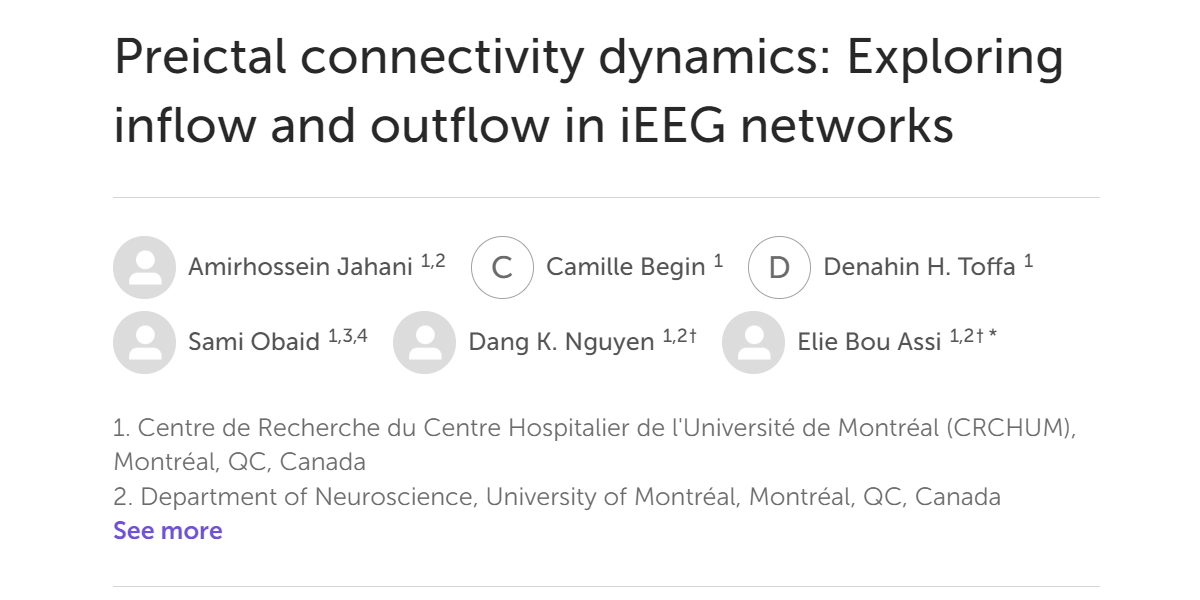
Epilepsy is characterized by complex and dynamic brain activity that unfolds across multiple spatial and temporal scales. Our work is rooted in neurophysiology and signal processing, with a focus on extracting meaningful information from scalp and intracranial EEG recordings to better understand seizure mechanisms and brain network dynamics.
-

FROM SIGNALS TO MODELS
AI for Detection, Prediction, and Monitoring
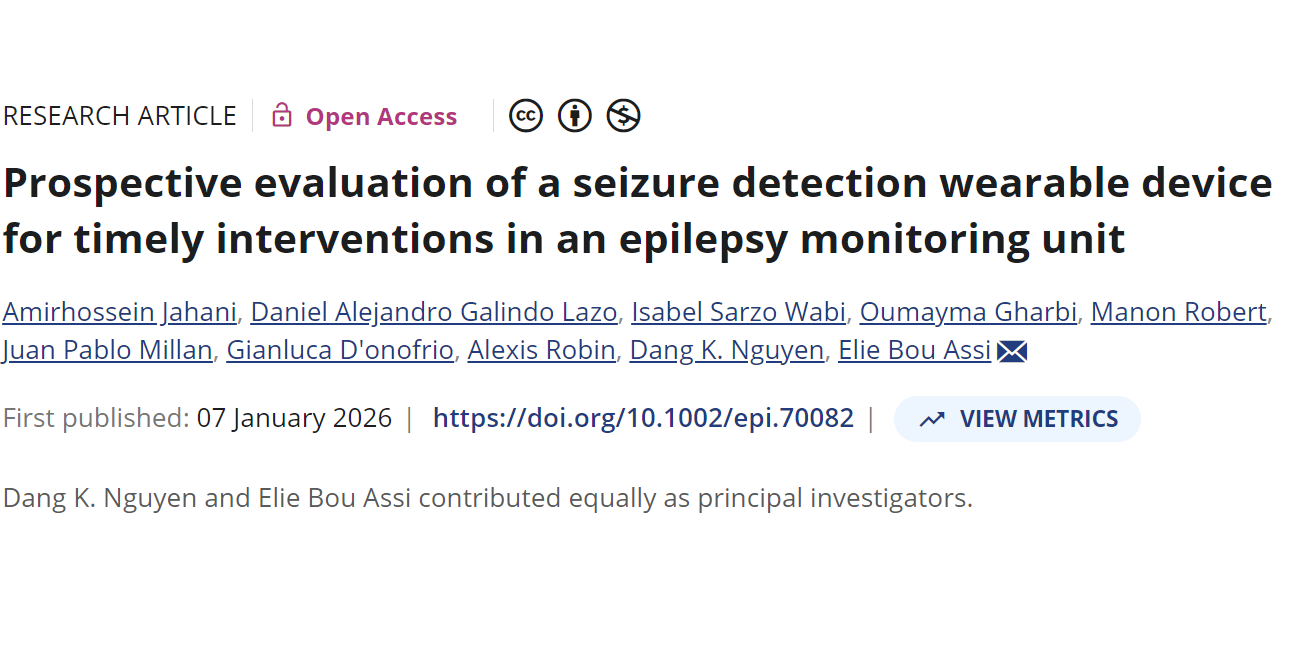
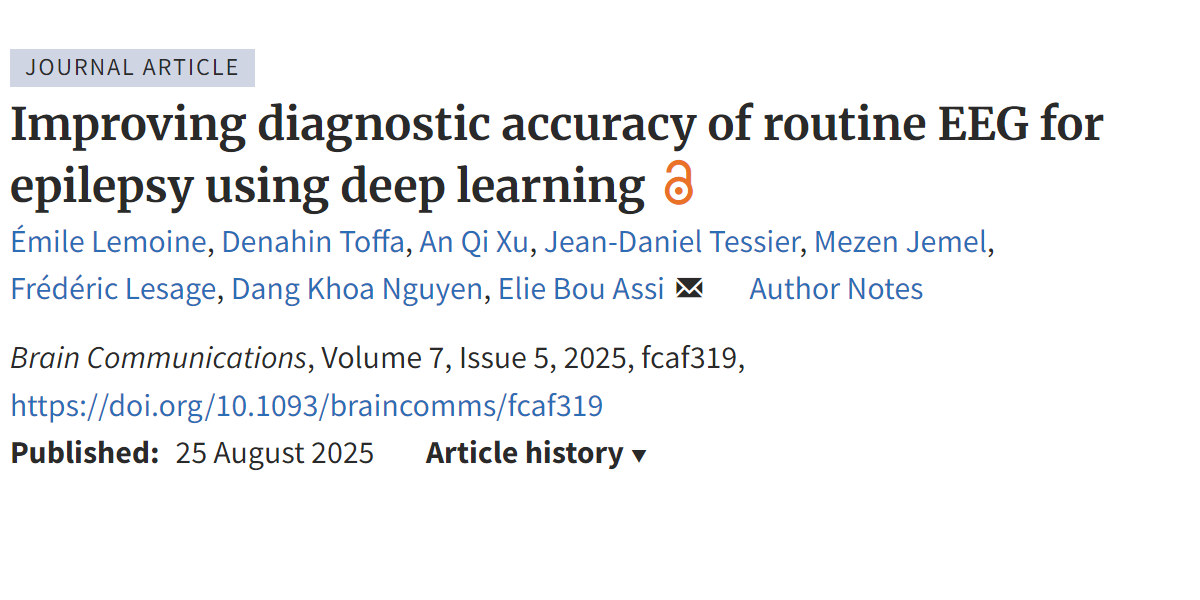
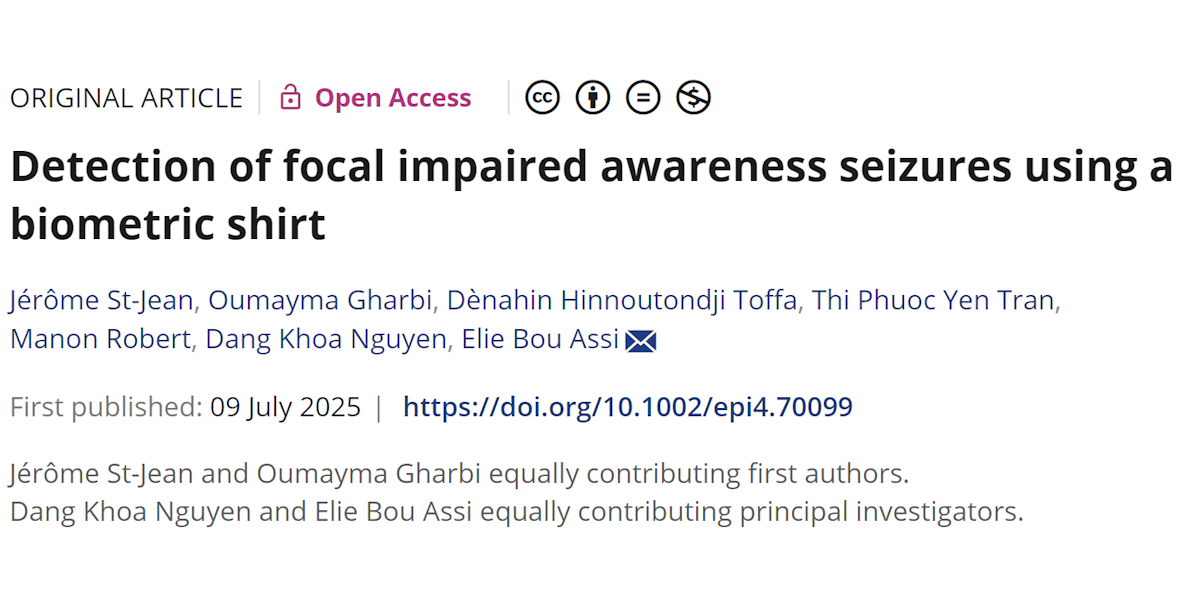
We develop machine learning models that translate multimodal signals, including EEG, wearable sensor data, and medical imaging, into interpretable and clinically meaningful outputs. Emphasis is placed on robustness, generalizability, and validation under real-world conditions rather than performance on curated datasets alone.
-

COMPLEMENTING CLINICAL EXPERTISE
Toward Data-Informed Care
Modern epilepsy care generates rich neurophysiological and physiological data across hospital and ambulatory settings. Our research explores how advanced signal processing and artificial intelligence can complement clinical expertise by organizing, summarizing, and interpreting these data in ways that support diagnosis, monitoring, and longitudinal care.
-

REAL-WORLD IMPACT
Clinical and Ambulatory Deployment
A central focus of the lab is the development and validation of technologies that extend epilepsy care beyond the clinic. By integrating clinical constraints into model design, our goal is to support objective monitoring, personalized therapeutic strategies, and continuity of care in both hospital and home environments.